
Uchi in Philadelphia, PA
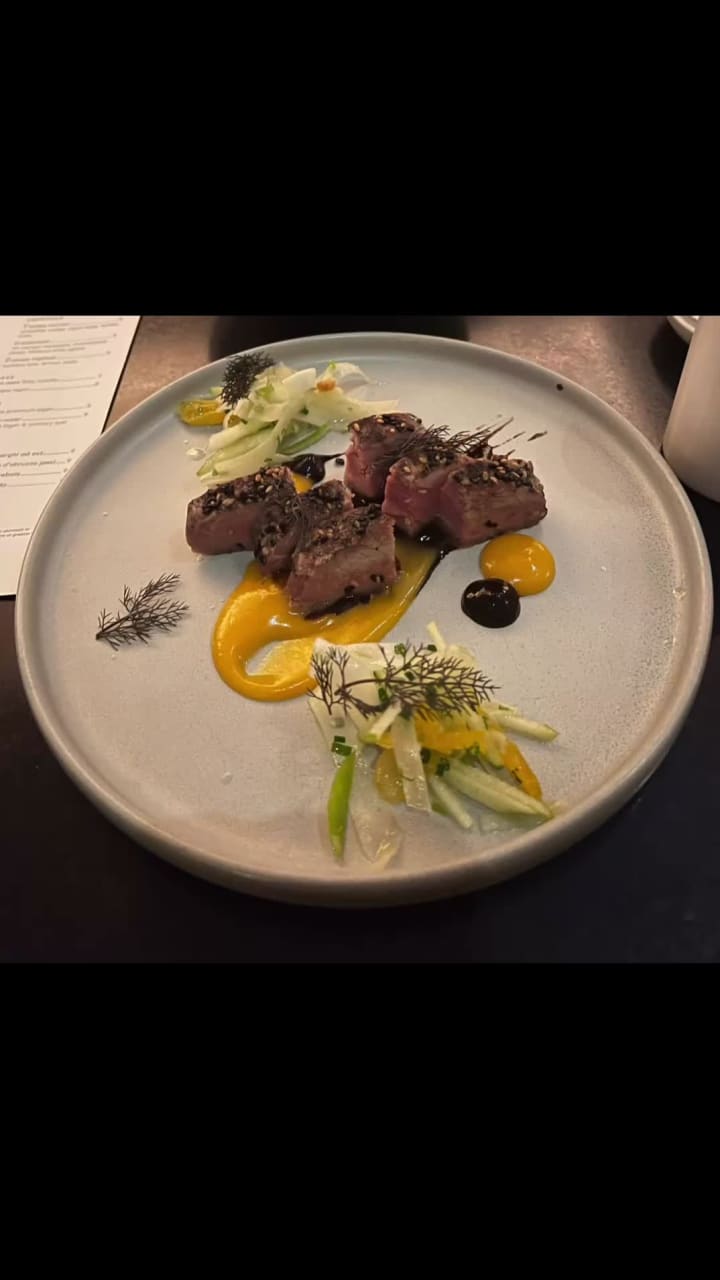

The video presents a visually appealing sequence of three distinct food dishes, each shot with clean, close-up framing that emphasizes texture and presentation. The first shot features a plated dish with two pieces of meat—likely steak—garnished with a golden-yellow sauce and fresh greens, suggesting a high-end dining experience. The second shot highlights crispy, caramelized Brussels sprouts with a golden-brown exterior, showcasing a well-executed side dish. The final shot displays a vibrant salad composed of thinly sliced tomatoes, cucumbers, and herbs, arranged with precision and freshness. The entire sequence is static, with no human presence, dialogue, or contextual cues such as signage, venue branding, or ambient noise. The video lacks a narrative, editing transitions, or a clear hook, relying solely on the aesthetic of the food. The orientation appears vertical, consistent with social media formats, and the lighting is even and professional, enhancing the visual appeal of each dish.
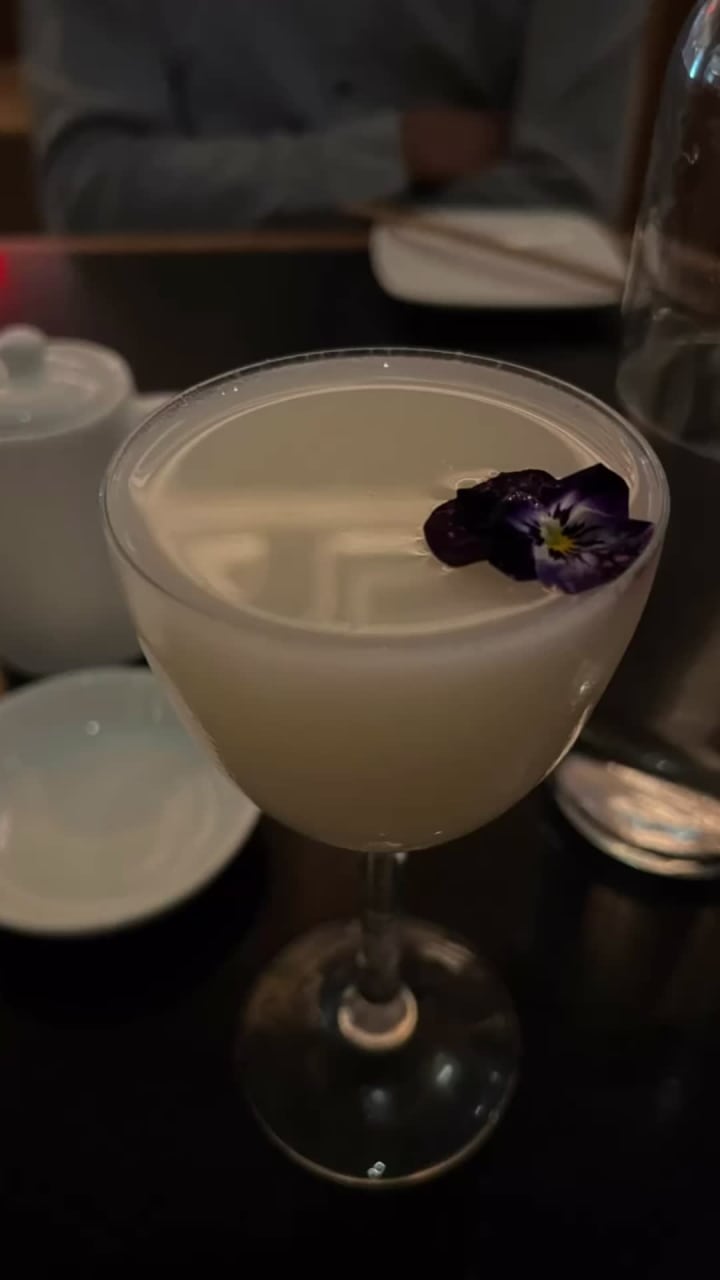
The video presents a visually curated sequence of Japanese dishes, beginning with a cocktail in a stemmed glass adorned with a purple flower, followed by two pieces of grilled eel served over rice, then three pieces of nori seaweed with a small bowl of sauce, and concluding with a single piece of grilled meat topped with a small dollop of sauce. The shots are close-up, well-lit, and focus exclusively on the food, emphasizing texture, color, and presentation. There is no dialogue, no human presence, and no visible signage or venue context, but the dishes are clearly identifiable as authentic Japanese cuisine. The editing is minimal, with smooth transitions between each dish, creating a cohesive and appetizing visual flow.
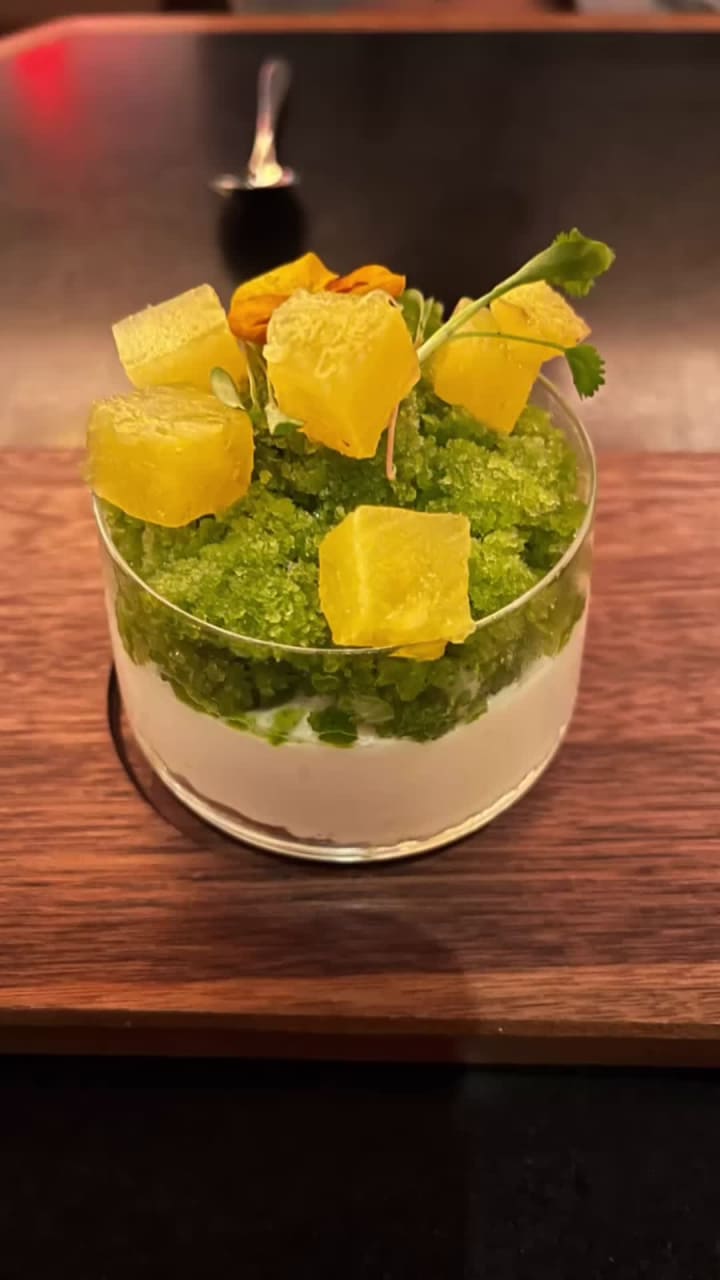
The video presents a visually captivating sequence of sushi dishes, each meticulously arranged and shot in close-up to highlight their artistic presentation and vibrant ingredients. It begins with a dessert-like dish featuring green jelly, white cream, and yellow cubes, garnished with orange and green leaves, evoking a modern, avant-garde aesthetic. This transitions to a wooden board displaying two pieces of tuna sashimi topped with crispy fried onions and fresh green leaves, emphasizing texture and contrast. Next, a second wooden board showcases four pieces of salmon sashimi—two with a dark topping and two with a light orange topping—each garnished with delicate green leaves, reinforcing the theme of precision and balance. The final shot reveals a white plate with thinly sliced pink fish, topped with green onions and a yellow substance, submerged in a clear liquid with visible bubbles, suggesting a dynamic or interactive element such as a delicate sauce or carbonation. The entire sequence is devoid of audio, human presence, or contextual cues like signage or venue identifiers, relying solely on visual composition to convey the experience. The pacing is deliberate, with smooth transitions between each dish, emphasizing the craftsmanship and visual appeal of the cuisine.
The video presents a visually appealing sequence of three distinct food dishes, each shot with clean, close-up framing that emphasizes texture and presentation. The first shot features a plated dish with two pieces of meat—likely steak—garnished with a golden-yellow sauce and fresh greens, suggesting a high-end dining experience. The second shot highlights crispy, caramelized Brussels sprouts with a golden-brown exterior, showcasing a well-executed side dish. The final shot displays a vibrant salad composed of thinly sliced tomatoes, cucumbers, and herbs, arranged with precision and freshness. The entire sequence is static, with no human presence, dialogue, or contextual cues such as signage, venue branding, or ambient noise. The video lacks a narrative, editing transitions, or a clear hook, relying solely on the aesthetic of the food. The orientation appears vertical, consistent with social media formats, and the lighting is even and professional, enhancing the visual appeal of each dish.
The video presents a visually curated sequence of Japanese dishes, beginning with a cocktail in a stemmed glass adorned with a purple flower, followed by two pieces of grilled eel served over rice, then three pieces of nori seaweed with a small bowl of sauce, and concluding with a single piece of grilled meat topped with a small dollop of sauce. The shots are close-up, well-lit, and focus exclusively on the food, emphasizing texture, color, and presentation. There is no dialogue, no human presence, and no visible signage or venue context, but the dishes are clearly identifiable as authentic Japanese cuisine. The editing is minimal, with smooth transitions between each dish, creating a cohesive and appetizing visual flow.
The video presents a visually captivating sequence of sushi dishes, each meticulously arranged and shot in close-up to highlight their artistic presentation and vibrant ingredients. It begins with a dessert-like dish featuring green jelly, white cream, and yellow cubes, garnished with orange and green leaves, evoking a modern, avant-garde aesthetic. This transitions to a wooden board displaying two pieces of tuna sashimi topped with crispy fried onions and fresh green leaves, emphasizing texture and contrast. Next, a second wooden board showcases four pieces of salmon sashimi—two with a dark topping and two with a light orange topping—each garnished with delicate green leaves, reinforcing the theme of precision and balance. The final shot reveals a white plate with thinly sliced pink fish, topped with green onions and a yellow substance, submerged in a clear liquid with visible bubbles, suggesting a dynamic or interactive element such as a delicate sauce or carbonation. The entire sequence is devoid of audio, human presence, or contextual cues like signage or venue identifiers, relying solely on visual composition to convey the experience. The pacing is deliberate, with smooth transitions between each dish, emphasizing the craftsmanship and visual appeal of the cuisine.


